Understand vital roof care to guarantee your home's security and structural strength.
The necessity of keeping up a secure and long-lasting roof cannot be overstated. Homeowners often overlook necessary roof care until serious damage occurs. Periodic assessments help find hidden issues, while understanding standard fixes can save money on major repairs. Knowing about roofing components and the importance of water runoff also plays a crucial part in the lifespan of the roof. As homeowners deal with these factors, selecting a qualified roofer is vitally necessary. What steps can they take to protect their property?
Why You Need Periodic Roof Assessments

While some homeowners might ignore this, the value of periodic roof assessments is undeniable. These inspections are essential for preserving the soundness of a home. The roofing system experiences deterioration due to a range of weather conditions, including the elements, debris accumulation, and old components. Regular inspections help identify developing problems before they turn into major issues, such as major failure. Furthermore, proactive roof maintenance can extend the lifespan of the roofing system, saving homeowners substantial repair costs in the long run. Inspections should ideally be conducted at least once a year or following major storms. Using qualified roofers guarantees a thorough assessment, as skilled professionals notice minor damage that an untrained eye might miss. Ultimately, prioritizing regular roof inspections contributes to a safe and secure living environment, protecting both the property and the people inside.
Common Roofing Repairs and Their Benefits
Routine roof checks not only uncover problems but also allow for crucial maintenance when damage is noticed. Typical fixes involve stopping water flow, replacing damaged shingles, and cleaning out the troughs. Repairing breaches immediately can prevent water damage and mildew formation, preserving the building and inside spaces. Mending worn shingles enhances the roof’s integrity and improves curb appeal, providing long-term resilience. Additionally, removing debris from gutters avoids water overflow, potentially causing expensive fixes and foundation issues.
This upkeep substantially aids to making the roof last longer and preserving energy savings. Property owners who commit to regular upkeep and prompt fixes can steer clear of major, expensive overhauls later on. In the end, fixing typical roofing problems not only guarantees the safety of the home but also provides peace of mind for homeowners, sure that their investment is safe from the weather.
How to Replace a Roof
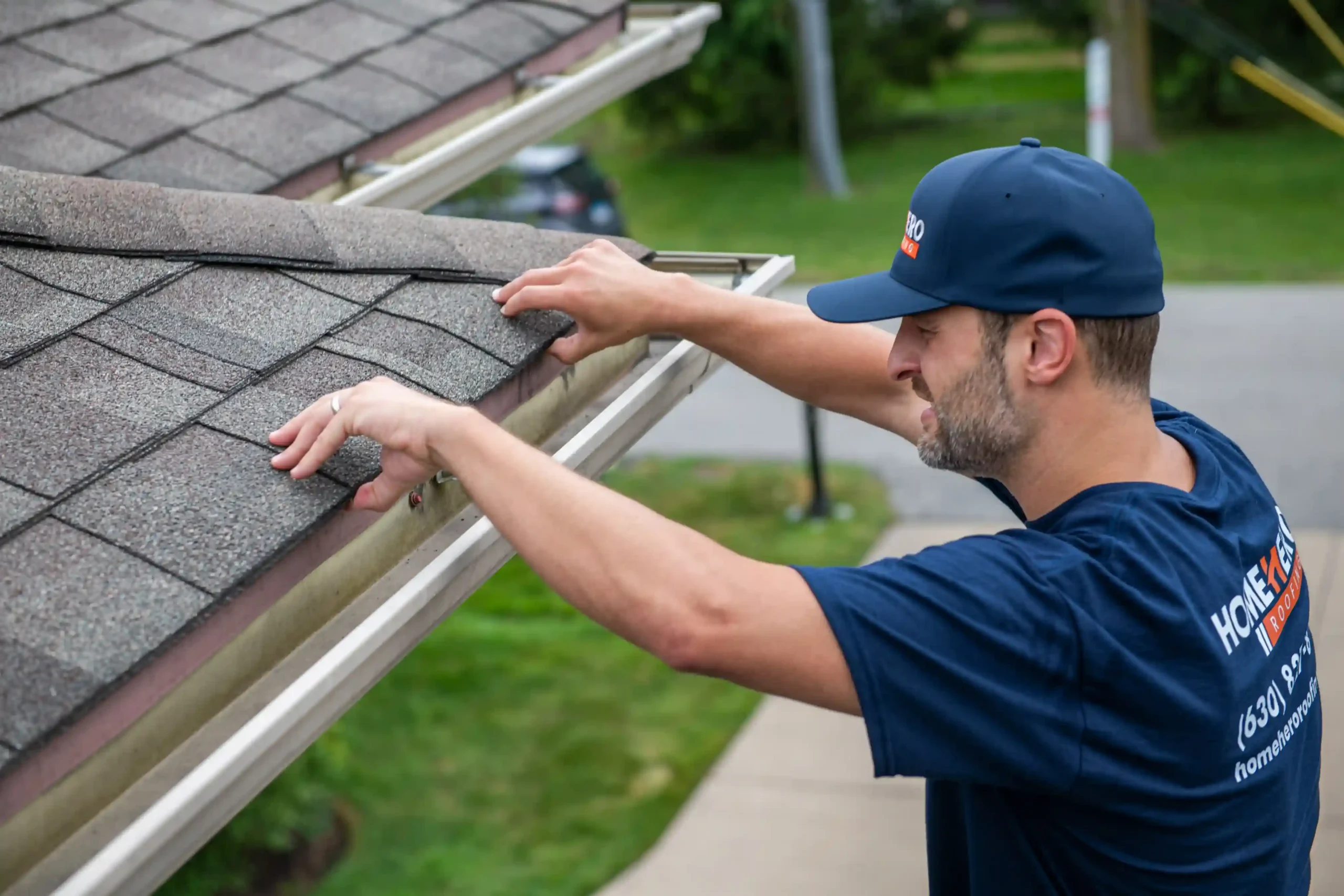
A roof replacement project includes several vital stages to ensure a long-lasting and effective setup. First, a thorough inspection of the existing roof is conducted to evaluate its state and decide on the required maintenance or replacement. After the evaluation is finished, property owners need to choose an expert roofer that can offer a suitable strategy and timeline for the project.
Next, the old roofing components are taken off, such as shingles, flashing, and underlayment. This phase is vital for identifying any underlying damage to the decking. After the removal, necessary repairs are made to the decking, ensuring a solid foundation for the new covering.
Once the deck is secure, fitting the new roof materials commences, followed by the installation of proper flashing and ventilation systems. Lastly, a thorough cleanup is performed, ensuring the area is immaculate and guaranteeing the new roof provides durable defense.
Understanding Roofing Materials and Their Lifespan
Knowing about roofing components is vital for those seeking to make educated choices about their home's covering. All roofing material varieties has a unique useful life and maintenance requirements, impacting long-term costs and endurance. By looking at typical materials, how long they last, and the required maintenance, homeowners can plan their roofing projects better.
Types of Standard Roofing Materials
A variety of roofing components are offered, each offering unique benefits and varying lifespans. Asphalt roofing materials are a common choice thanks to their low cost and are easy to put up, they are often chosen for residential homes. Metal roofing, which is highly durable and requires little upkeep, offers different looks, including standing seam and corrugated panels. Tiles used for roofing, typically crafted from clay or concrete material, offers a unique look and holds up against bad weather. Slate roofs, while more expensive, is valued for its longevity and inherent aesthetic appeal. Lastly, synthetic materials, for example, rubber or plastic, provide environmentally conscious choices with the look of traditional materials. Each material fulfills distinct needs, allowing homeowners to choose the best fit for their property.
How Long Roofing Options Last
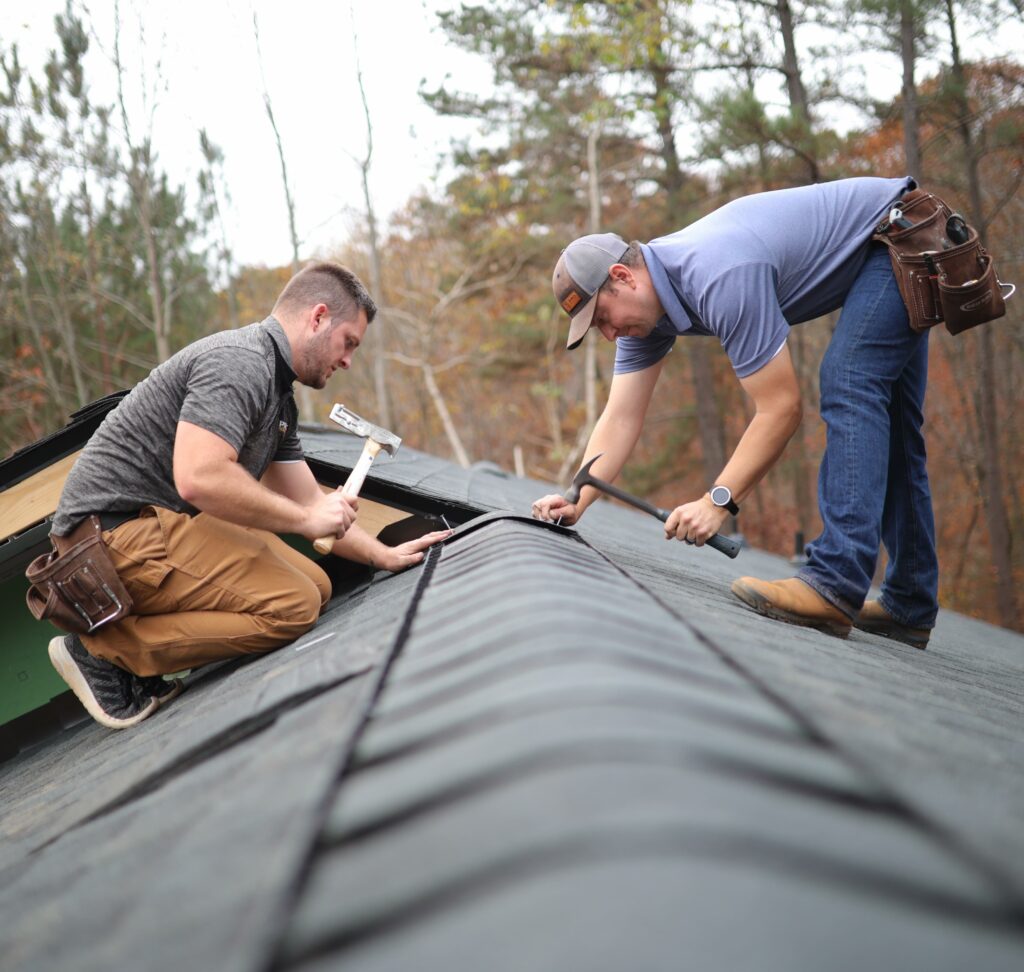
Choosing roofing materials involves not only considering how they look and what they cost but also how long they will last. Different roofing options exhibit varying lifespans, directly impacting homeowners' long-term investments. Asphalt shingles typically last between 15 and 30 years, subject to the practical resource material grade and placement. Metal roofing, known for its durability, can last between 40 and 70 years with proper installation. Tiles made of clay and concrete boast impressive longevity, sometimes enduring for 50+ years. Shingles made of wood, while aesthetically appealing, typically endure for 20 to 25 years, affected by weather and care. To conclude, synthetic materials can vary widely, with certain choices engineered to endure for as long as 50 years. Knowing these durations assists property owners in deciding wisely about what they spend on their roof.
Maintenance for Longevity
Consistent care is vital for maximizing the lifespan from your roof components. Homeowners must periodically examine their roofing for deterioration, such as missing shingles, cracks, or moss growth. Dealing with these problems quickly prevents the damage from spreading. The lifespan differs among various roofing materials; for instance, shingles made of asphalt generally last 15-30 years, but metal roofs can hold up for 40-70 years with adequate upkeep. Regular cleaning of the gutter system is imperative to make certain water drains freely, lessening the risk of leaks and integrity issues. In addition, employing an expert for yearly check-ups can assist in finding potential problems before they escalate - Massapequa Roofing Company. By understanding the specific maintenance needs of their roofing material, homeowners can substantially improve their roof's durability and ensure long-term protection for their homes
The Role of Gutters in Maintaining the Roof
Gutters play an important part in roof maintenance by guiding runoff away from the structure. Operational gutters keep water from standing on the surface, which can lead to leaks, mold growth, and damage to the building's integrity. They guide water downwards and away from the foundation, protecting the integrity of the home.
Regular inspection and cleaning of gutters are essential, as debris can block the passage and form obstructions. When gutters are ignored, they can overflow, causing water to seep into walls and ceilings, ultimately resulting in costly repairs.
Additionally, well-maintained gutters improve the performance of a roofing system, making it last longer. Homeowners should focus on gutter maintenance as part of their general roof upkeep strategy, guaranteeing that these vital parts operate effectively. By doing so, they add to the durability and safety of their homes, showing the absolute necessity of gutters in roof maintenance.
Choosing a Reliable Roofing Contractor
How can homeowners make sure they choose a trustworthy roofing contractor? First, it is vital to do comprehensive research. Homeowners should look for suggestions from friends, family, and online reviews to identify reputable contractors in their area. Next, confirming documentation is essential; a reliable contractor should possess appropriate licenses, insurance, and certifications.
Homeowners should also ask for comprehensive quotes from multiple contractors, reviewing expenses and the work provided. Communicating clearly is crucial, as a reliable contractor will be responsive and transparent about their processes.
In addition, examining previous work and customer testimonials can provide insight into the contractor's workmanship and reliability. In conclusion, it is advisable to choose a contractor offering assurances on both materials and labor, providing enduring assistance and protection for the homeowner’s investment. Adhering to these recommendations, homeowners can vastly improve their odds of choosing a reliable roofing contractor.
FAQs
What is the Recommended Frequency for a Roof Inspection?
Experts recommend scheduling a roof inspection at least twice a year, specifically in the spring and the fall. Furthermore, inspections should occur following major storms to evaluate any potential harm and guarantee ongoing roof integrity.
What Are the Signs of Roof Damage to Look For?
Signs of roof damage include lost shingles, leaks, sinking, stains on the interior ceiling, missing granules in the troughs, and visible moss or algae growth. Addressing these problems quickly can stop further harm and costly repairs.
Am I Able to Handle Roof Repairs Personally?
Yes, individuals can perform roof repairs themselves provided they have the right tools and skills. However, caution is advised, as poorly executed repairs might cause further damage or safety hazards, meaning expert help may be needed down the line.
In What Way Do Weather Patterns Influence Roofing Materials?
The weather heavily influences roofing materials, causing wear, deterioration, or damage. Massapequa Roofing Company. High heat, dampness, and ultraviolet light can compromise the material's strength, leading to leaks or structural issues. Consistent upkeep is vital to mitigate these effects and extend the roof's useful life
What is the Estimated Price of a Roof Replacement?
A typical roof replacement expense typically ranges from $5,000 to $15,000, depending on factors such as the size of the roof, the material used, and the location, which affects the total cost and installation standard.